music equipment
speakers
condenser microphone:
Condenser microphones are most commonly found in studios. They have a much greater frequency response then a dynamic microphone. in addition they also have a louder output but on the other hand are much more sensitive to loud sounds.this adds to give a better quality recording.in order to work this mic needs phantom power.

example:The X1 cardioid condenser mic is a professional quality microphone that can be used for vocals in the studio or at home. With the convenient maximum sound pressure level of 140dB – you can scream as hard as you want or throw an electric guitar at it without worrying about distortion.
source: (https://www.neumann.com/homestudio/en/what-is-a-condenser-microphone)
mixing desk
passive speaker:A Passive Speaker is a speaker which takes its power from an amplifier located outside of the loudspeaker. Passive speakers are lighter and often cheaper than powered speakers.
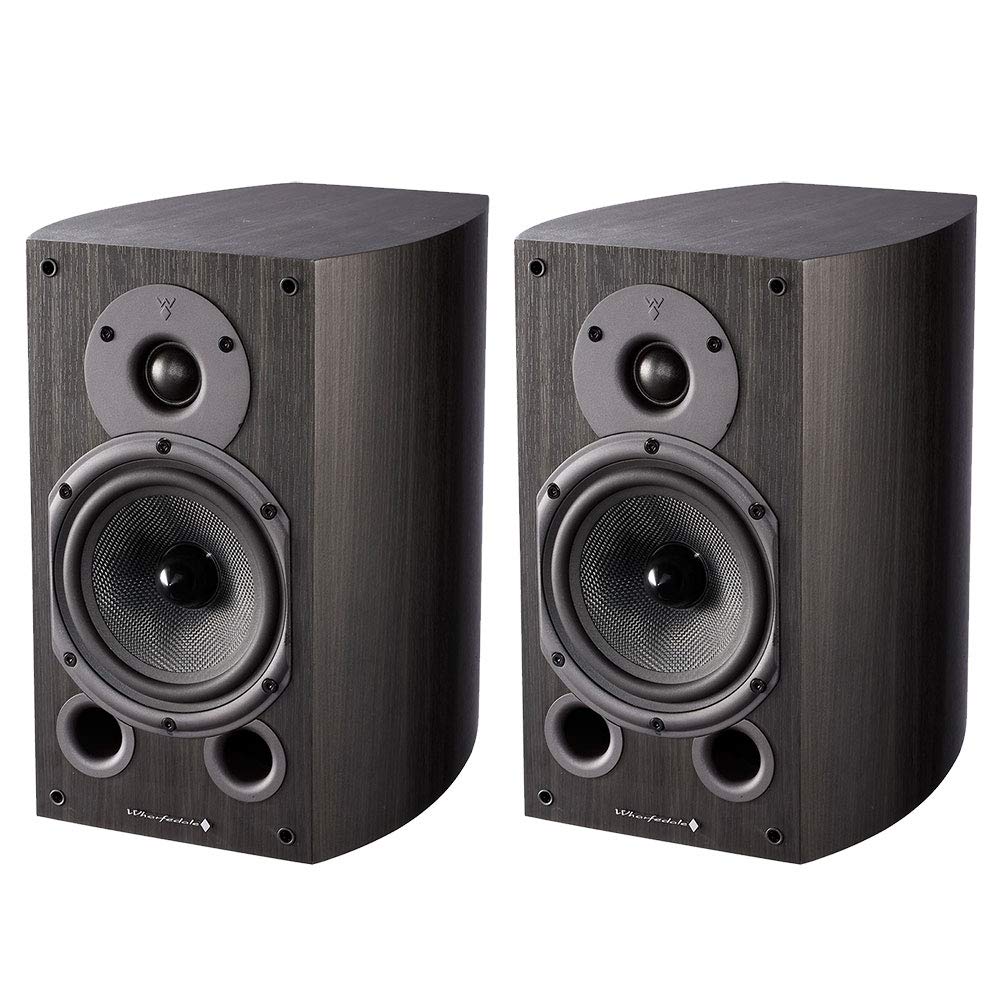 SOURCE: (https://www.amazon.co.uk/dp/B002WJAQY2/ref=asc_df_B002WJAQY258454056/?tag=googshopuk-21&creative=22122&creativeASIN=B002WJAQY2&linkCode=df0&hvadid=310762579089&hvpos=1o1&hvnetw=g&hvrand=13670785380064755655&hvpone=&hvptwo=&hvqmt=&hvdev=c&hvdvcmdl=&hvlocint=&hvlocphy=9044936&hvtargid=pla-383873974059)
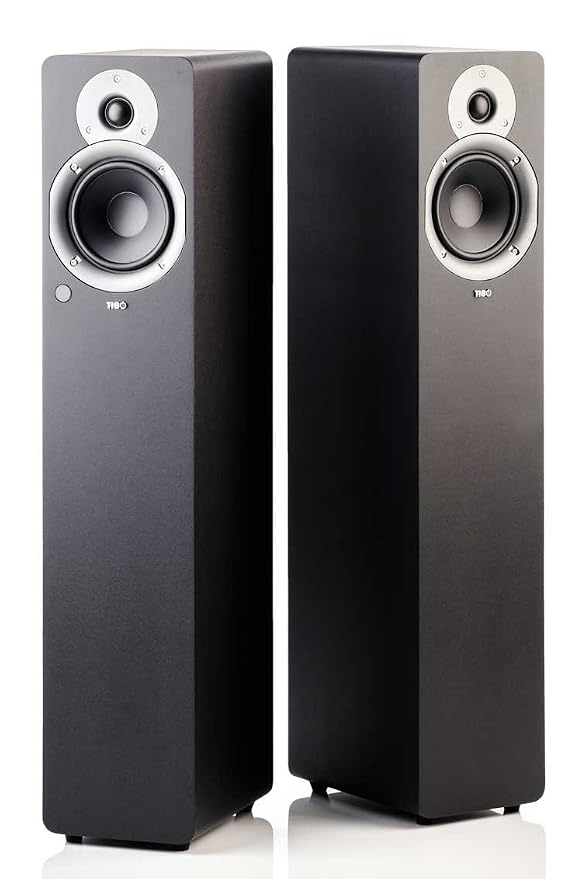 active speaker: An active speaker has a built-in amplifier, so you can connect it directly to a mixing board.
source: (https://www.amazon.co.uk/TIBO-Plus-4-Active-Speakers/dp/B01N2AOA7O)
SOURCE: (https://www.amazon.co.uk/dp/B002WJAQY2/ref=asc_df_B002WJAQY258454056/?tag=googshopuk-21&creative=22122&creativeASIN=B002WJAQY2&linkCode=df0&hvadid=310762579089&hvpos=1o1&hvnetw=g&hvrand=13670785380064755655&hvpone=&hvptwo=&hvqmt=&hvdev=c&hvdvcmdl=&hvlocint=&hvlocphy=9044936&hvtargid=pla-383873974059)active speaker: An active speaker has a built-in amplifier, so you can connect it directly to a mixing board. source: (https://www.amazon.co.uk/TIBO-Plus-4-Active-Speakers/dp/B01N2AOA7O)
shure sm58: it is Designed for professional vocal use in performance and studio recording. on further research i foundthe Shure SM58 uses a built-in, spherical filter that minimizes wind and breathing noises while the cardioid pickup pattern isolates the main sound source and minimizes unwanted background noise. in Addition Supercardioid polar pattern is more directional than Cardioid .

condenser microphone:
Condenser microphones are most commonly found in studios. They have a much greater frequency response then a dynamic microphone. in addition they also have a louder output but on the other hand are much more sensitive to loud sounds.this adds to give a better quality recording.in order to work this mic needs phantom power.
example:The X1 cardioid condenser mic is a professional quality microphone that can be used for vocals in the studio or at home. With the convenient maximum sound pressure level of 140dB – you can scream as hard as you want or throw an electric guitar at it without worrying about distortion.
source: (https://www.neumann.com/homestudio/en/what-is-a-condenser-microphone)
mixing desk
An audio mixer is a device with the primary function to 'accept, combine, process' and monitor audio. An audio mixer can come in either analog or digital form. The difference between the two is an analogue mixer that has outboard gear eg amps, speakers whereas a digital mixer has all of its outboard gear built into mixer. (source: manual.audacityteam.org)
examples of digital mixers:
Behringer X32 Compact.
Allen & Heath QU16.
Soundcraft Si Expression 1.
Presonus StudioLive 16.4.2AI.
Yamaha 01V96i.
Roland M200i.
 source:https://www.sweetwater.com/store/detail/X32Compact--behringer-x32-compact-digital-mixer
examples of anologue mixers:
Soundcraft Signature 16 Analogue Mixer.
Yamaha MG20XU Mixing Desk.
Mackie 1642VLZ4 16-Channel 4-Buss Compact Mixer.
PreSonus StudioLive AR16 18-Channel Hybrid Mixer.
Yamaha MGP32X 32 Channel Mixing Consol

within both mixers there are various things that need to be considered when using them, for example setting the gain.


Comments
Post a Comment